Inmate Reentry into Society

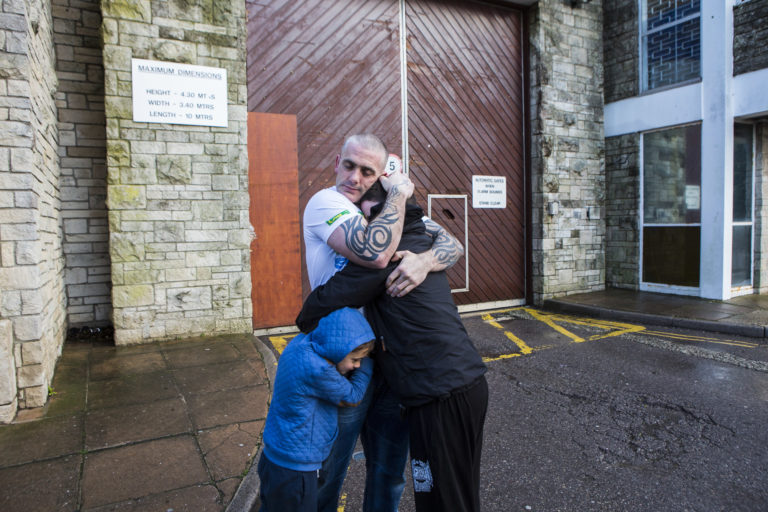
The moment a family is reunited with their dad after 2 and a half years of him inside HMP/YOI Portland, Dorset. © Prisonimage.org All image use must be agreed first. All images must be credited.

Being incarcerated for as long as 10 years can definitely have an effect on your life, especially when leaving the prison. If I was incarcerated for ten years and was recently let out on parole, I feel like the biggest obstacle I would face would be acceptance back into society. For example, like finding jobs and looking for cars and houses. I feel like this would be the most challenging obstacle due to the way you can never really get away from your crime unless it was taken off your record. Most companies ask if you have ever been convicted of a crime on there applications so that must mean that it is a deciding factor, they wouldn’t want a murderer working for them even if they were the most qualified for the position. One of the only companies that I know that will hire someone no matter what their background is Walmart, which is still something but how many people can they give jobs to before they have no more positions left. There are many things that can be done to ensure the safety and success of people leaving prison but there are factors that come into place. One solution that can be done would to change the set up of prison for those people who can potentially be let on parole. So instead of recreational time they should be able to take place in programs that can show them how to successfully land a job at a interview, or to help them find a place to live before they leave prison. If there was housing provided for inmates who were let on parole to live in for at least a year to get back on their feet, this could have a positive effect on there success rate after leaving prison. Reentry back into a society for a prisoner is a lot harder than many people think, a lot of times they fall right back into the system shortly after getting out of it. By providing different programs in prison can help inmates stay out of prison for good and potentially lead them to live a successful life afterwards.

Prisoner Restrictions

While I definitely agree that inmates shouldn’t have the same amount of rights people do that weren’t convicted of crimes, I do think they should have some. The reason I think so is because it will keep them from going insane while they are incarcerated. We see many videos in class about people not being able to keep calm or find peace while being incarcerated and eventually hurting themselves and I feel that’s due to the lack of rights they have while being locked up. I don’t think that they should be able to bear arms behind bars but I do feel like they should be able to speak what they feel and practice whatever religion they want. No matter what religion they believe in that should be their choice, especially if they need it to help them throughout there process to avoid suicide. It’s understandable why people wouldn’t want inmates to have any rights at all, but I feel like it all depends on the charges and how well the inmate is doing. Once they reach certain stepping stones in there programs they can get certain rights like being able to buy a book and go to church etc. Giving the inmates limitations at first will show them that they need to work to become better people and hopefully lead them down a positive path, that will show them you need to work for what you want.

Solitary Confinement

I definitely would disagree with courts not viewing long term solitary confinement is cruel and unusual punishment. The idea that someone is locked up in a very small area with no contact, no communication for 23 hours a day seems to me as terrible form of punishment. I can see why some inmates may have to move into solitary confinement for their lack of compliance to the rules of the prison systems, but the terrible conditions they are put in, no one deserves to face long term. I feel like putting juveniles or those who are mentally ill in these situations can damage them for the rest of their lives, there might be other programs or punishments that can be used to shape them into better people. I feel like long term solitary confinement can only be a reasonable use of punishment for those who are a very dangerous threat to the general population, for example those who hurt other inmates and guards. If I was the warden I would definitely have a time limit for certain inmates depending on their medical and background history. If they were doing better and were more stable after a certain amount of months I would place them back into the general populations with certain restrictions until they were able to prove that they were ready to be let alone. Just like how the warden in the documentary would allow certain inmates to leave and prove if they were able to leave solitary confinement and return back to general population. After watching the documentary you can really get a sense of how that little room can really make someone go crazy and harm themselves just to get a few minutes outside of it. I feel like that documentary itself could be a example for courts to get rid of solitary confinement and come up with safer programs for those dangerous inmates.

Ear Hustle: Episode 13

I always really like listening to the Ear Hustle podcasts, each episode consist of a completely different story. No matter the story you know it will be interesting. One episode that I recently listened to made me feel all different kinds of emotions. Episode 13 would be most memorable to me, it’s the one about Sara and sex trafficking. It’s so sad how her first memory is something so terrible like her mom yelling and throwing a temper tantrum. It’s terrible that she lived a life that she had to always be afraid of what was going to happen next, and never able to tell anyone about it. As the episode continues she brings up another situation where she was raped once she got a little older, and from her early experiences she was still so afraid to tell anyone. Just like many of the people that are incarcerated she tells us how most of her life she knew people who would end up in the same place she was right now, and actually out of her 18 siblings 15 of them did. I thought that this podcast was most memorable because of the reality of it for many young women who are afraid to talk to someone because they feel like there will be worse consequences.

Ear Hustle Review

I personally really like the whole idea of Ear Hustle and how interesting the producers make each podcast. It’s beneficial to the listeners because it gives you real life stories from prisoners, where you can feel their emotions by the way they are talking. This is something you can’t really find anywhere else unless you are face to face with a prisoner. I don’t really think that the way Ear Hustle is should change because it’s already easy to work and the way each episode is presented is easy to follow. Ear hustle has definitely changed the way I see incarceration, because you can hear all the horror stories about what happens in prison and to the prisoners but it doesn’t become real unless you actually hear real life experiences. Each person that I’ve listened to in the podcast have had completely different experiences that led them all to the same place. I’ll never forget one podcast that talked about how some man hasn’t had a visitor in 10 years and when you watch a TV show you never really see that happening. A lot of the people that are interviewed for the podcast aren’t what your “typical prisoner” would be, a lot of them realize there mistakes and own up to them, they are making the most of their time in prison by reflecting on their mistakes and seeing how they can lead a positive life once they are released.

Are Transgenders Being Kicked Out Of Prison? Or Are Officals Making The Right Call

Michelle- Lael Norsworthy was charged with second degree murder in 1987, and denied parole each time it was requested since then. So what changed the mind of the judges following Norsworthy long fight for reassignment surgery? Many believe the connection isn’t a coincidence. Reassignment surgery can go to about $20,000, with this being said the facility that Michelle- Lael Norsworthy was held at saved a lot more money “letting her go”, then they would have getting the surgery done for her. The debate comes up whether it was a coincidence that after around 5 times of requesting parole and getting denied, to then getting granted parole, has to do with the facility not wanting to spend the money on a transgenders needs. The past few years more cases have been in the headlines about transgenders and their needs while serving time in prison. But many of the cases end up just like Michelle’s, with the officials choosing other outcomes other than accommodating the needs of the individual. The article talks about two other inmates who had similar cases that were let off on parole as well, when most of the time this was seen as the “easy” way out for the officials but was said not to be unusual. As more and more headlines appear about this issue of facilities denying rights to transgender needs, courts are recognizing that the correction agencies can’t just deny the right because “they just don’t want too”. Even though the officials of Norsworthy case say they took her “into consideration just like they do the other 4,000 inmates that are eligible for parole” many who looked into this case were often skeptical. This brought up a lot of controversy that could indicate that there is a slight chance that the defendant influenced the parole process. Similar to incarcerated recovering addicts and pregnant women, transgender people have needs as well, and for facilities to grant parole over helping these individuals raises a major concern about out countries current prison system.

https://www.themarshallproject.org/2015/10/08/were-these-transgender-prisoners-paroled-or-just-kicked-out

Delaware’s Prison System

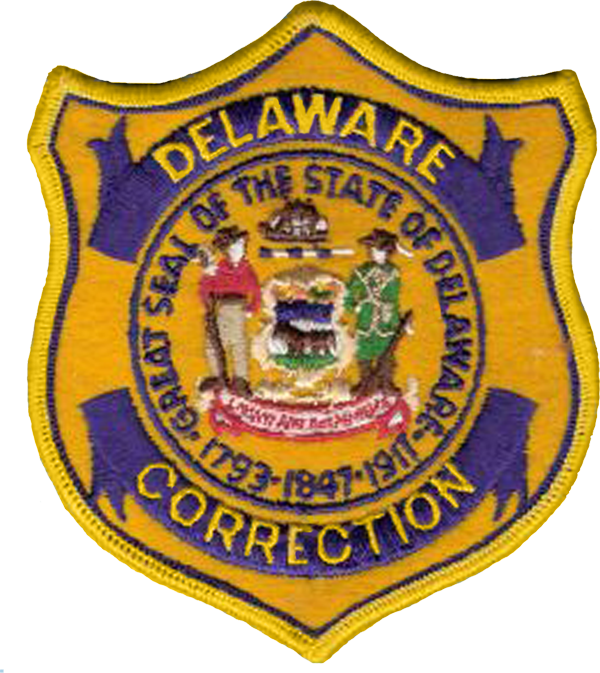
I decided to look up the Department of Corrections for Delaware, being such a small state it only has 4 facilities. The first facility that opened was The Sussex Correctional Institution which opened in 1931. The other institutions are relatively old as well most opening in the 1970s to the late 1980s. Out of the four facilities, there is only 1 that is dedicated to women, this is The Baylor Women’s Correctional institution which opened in 1991 and houses both pre-trial and sentenced adult females at a minimum, medium, and maximum security levels. One other institution houses adult males at a minimum, medium and maximum security levels and the two others are classified as a level 5 facility. There is a program that is held at the Sussex Correctional Institution which is for juveniles called Youthful Criminal Offender Program or (YCOP) in this program they accommodate juvenile males between the ages of 16-18, this is to manage the most difficult juveniles. It has all different forms of treatment which seek to change the behaviors of these boys. Something that I thought was interesting about these facilities was that the Sussex Correctional Institution came up with a program called the “KEY program” which has about 180 offenders involved and helps with intense, discipline based substance abuse treatment. As they say on the website at SCI, they have many different types of treatment programs that can potentially change the behaviors of these offenders.

Website Link: https://delaware.gov

Suicides in Jail: A Problematic Part of the Jail System that Needs to Change

O

One part of the jail system that may be most problematic and in need of a change to me would be the way they handle suicides, and their preventative strategies. There are more suicides in jails than in prisons or in the general population. Almost half of the suicides occur in the first week of an inmates stay. Most of the time once the inmate passes the first-week mark they are less likely to commit suicide. There are many factors that go into why so many suicides could/ would take place in such a high-security facility, or so you would think.  One example of a factor that could lead to an increase in suicide rates in jails could be that there are high proportions of inmates that are mentally ill, about 44% of inmates have mental issues. The video that was shown in class involving the inmate who had withdrawal and passed away in the cell due to the lack of security just shows another example of why suicides happen frequently in jails. I think that if the jails were able to accommodate inmates with the help they needed to keep them stable and healthy no matter what condition they were in, that would cause the rate of suicides to decrease. As well as making sure all possible weapons and objects that could potentially cause harm to be removed from all cells. A more intense security system is the first change facilities need to make to decrease the suicide rates in prison.

How the ADA Helps Inmates in Prison Control Their Addiction

Beth Schwartzapfel wrote an article shown on The Marshall Project called, “When Going to Jail Means Giving up the Meds that Saved your Life.” In this article many cases are brought about individuals who needed certain medications to survive their addictions but weren’t provided them. For example, the first individual they talk about is Geoffrey Pesce he was addicted to heroin and oxycodone. After losing everything he became dependent on daily visits to a methadone clinic trying his hardest not to relapse. One day he couldn’t get a ride to the clinic so he decided to drive on a revoked licence soon to be pulled over by a cop, which had him looking at close to 60 days in jail. This had him worried wondering what he would do without his addiction medication. Would he easily accept drugs from other inmates? Or would he crave it as soon as he was released? These were the thoughts that were going through his head about how to stay away from the drugs that once ruined his life. Most facilities ban the use of addiction medications for safety reasons, but Pesce wasn’t going to fall back into his addiction. He expressed his concerns in court saying that “I will lose control of my addiction, and I will relapse, overdose, and die”. A federal judge in Massachusetts sided with Pesce, making what attorneys say to be the first ruling of its kind. This cases changed how people recovering from opioid addictions are treated in jails and prisons, causing many lawsuits of the same concern to happen all over the country. The Americans With Disabilities Act was signed into law in 1990 banning discrimination against people with disabilities and requires that public places or services be accessible to all. This law included protections from those recovering from alcoholism and drug addiction. Sally Friedman, was an attorney with the Legal Action Center which advocated and argued for years that people on addiction medication in the criminal justice system should be protected. Being forced not to use these kinds of medications causing for a ton of issues to come about, the addicts will be released with a lower tolerance and an increased sense to use. Adding into the statistics that prisoners are 12 times more likely to die and 129 times more likely to die of an overdose. The reason for all the debate is because many believe that using opioids as medications substitute one addiction for another, the government and scientists call this misconception. Many facilities that were accused of not providing the medications to addicts in prison received a letter that they were under investigation. After the Pesce case many of the officials had a change of heart and had a handful of facilities begin providing the medication. Each facility is taking extreme precautions making sure that the inmates are taking the medications as they should and not passing them along to other prisoners. The ADA made it clear that being allowed to have these drugs is for a person in recovery and not for someone who is currently using drugs illegally, they are not seen as a “individual with a disability.” As they continue to do research on this issue, they will see what exactly and who the laws apply to. But as of now, after Pesce’s case it has put many sheriffs and correctional administrators around the country on notice. “Friedman of the Legal Action Center said, “this judge is basically saying that the vast majority of jails and prisons in this country are likely violating federal law.” I believe that this news article is significant based off of the effect it has on many people that are sent to prisons suffering from addiction, and how they can overcome it. Not many people would feel sympathetic when it came to people who face drug addictions but it doesn’t mean that we should just leave them to fend for themselves while in prison. The ADA’s decision to come up with the opportunity for recovering drug addicts to have the medication they need, saves the lives of many people.  The link to the article I decided to write about is provided below. 

https://www.themarshallproject.org/2019/01/29/when-going-to-jail-means-giving-up-the-meds-that-saved-your-life

Design a site like this with WordPress.com
Get started